Woke this morning while it was still dark to catch the sunrise at Angkor Wat. Wrapped in my lovely new silk scarf to ward off the chilly morning air, we met our Tuk Tuk driver Blake and were whisked off under the cloak of darkness to the ticket station on the outskirts of this UNESCO world heritage site. After waiting in a relatively short line and grabbing some coffee and rolls (running into one of our fellow boat passengers from yesterday), we again blindly were driven to a dark parking lot. Blake instructed us where to go and where we could meet him when we were done. We followed a sea of bouncing flashlights over a dirt path, along a bouncy buoyant bridge, through an ancient archway housing a giant Vishnu cloaked in gold, and onto a dark pathway. Ray led us to the right. We stopped just short of some water and sat down, waiting for the sun to rise.
As the sky became brighter it was as if the world became clearer, crisper. As if the sun were coloring in each object one by one. It was really beautiful to feel the collective anticipation of the people around us as the horizon buzzed orange and pink.
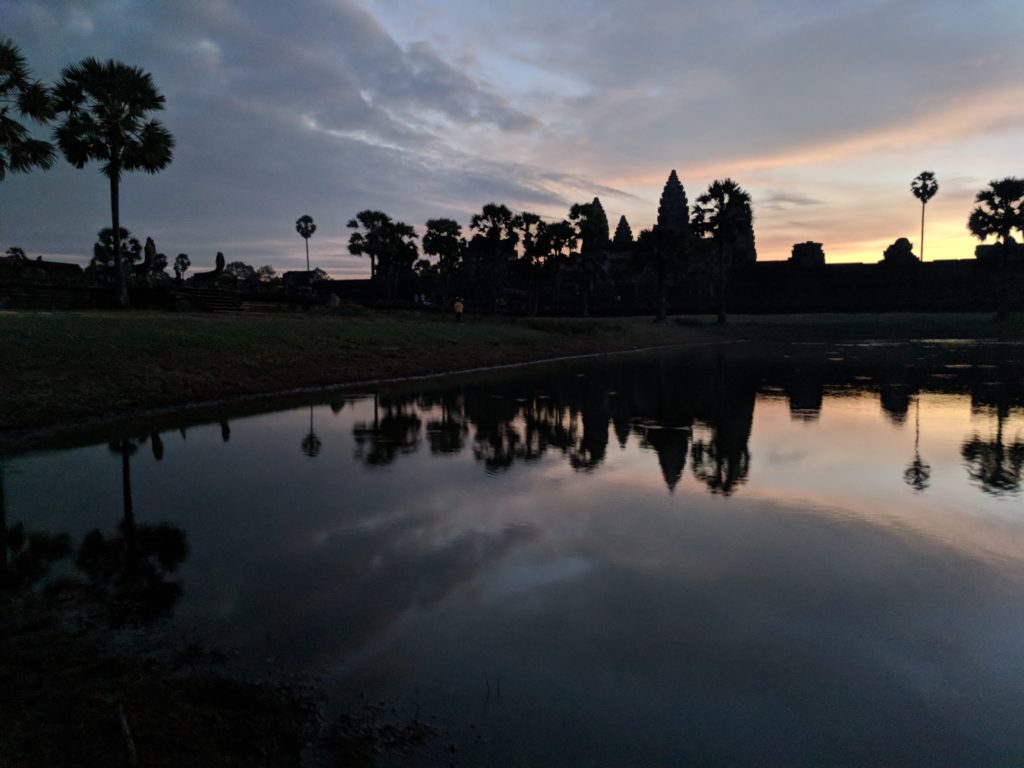
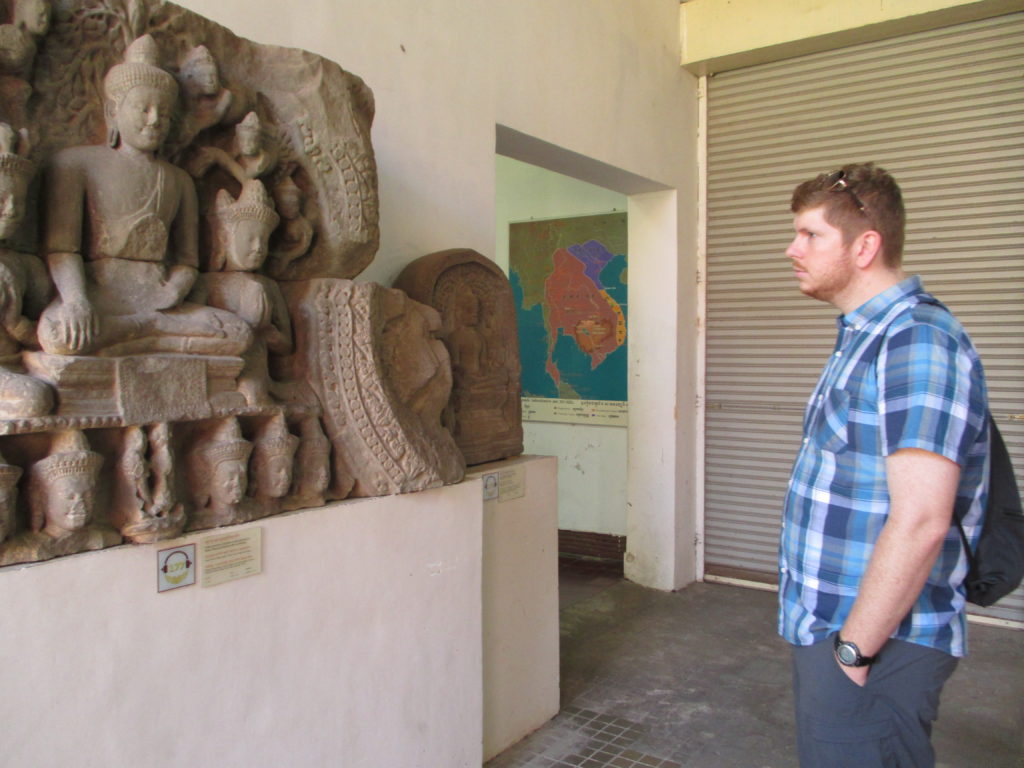
Once the sky was bright enough, we headed into Angkor Wat, hiring a local guide to give us some insights on what we were looking at. Much of what was explained reflected what we’d learned at the National Museum in Phnom Penh: the country was Hindu until one of the kings converted to Buddhism, then the country became Buddhist and all of the Hindu statues in the temples were replaced with Buddhas – though Hinduism was still tolerated and accepted, so the Hindu gods were just placed outside of the main temple (hence the Vishnu we saw on the way in wearing traditional Buddhist robes/colors) and some of the intricate carvings were painted red. One of my favorite mash-ups are the many many statues of Buddha sitting on the 8-headed snake Naga from Hindu mythology.
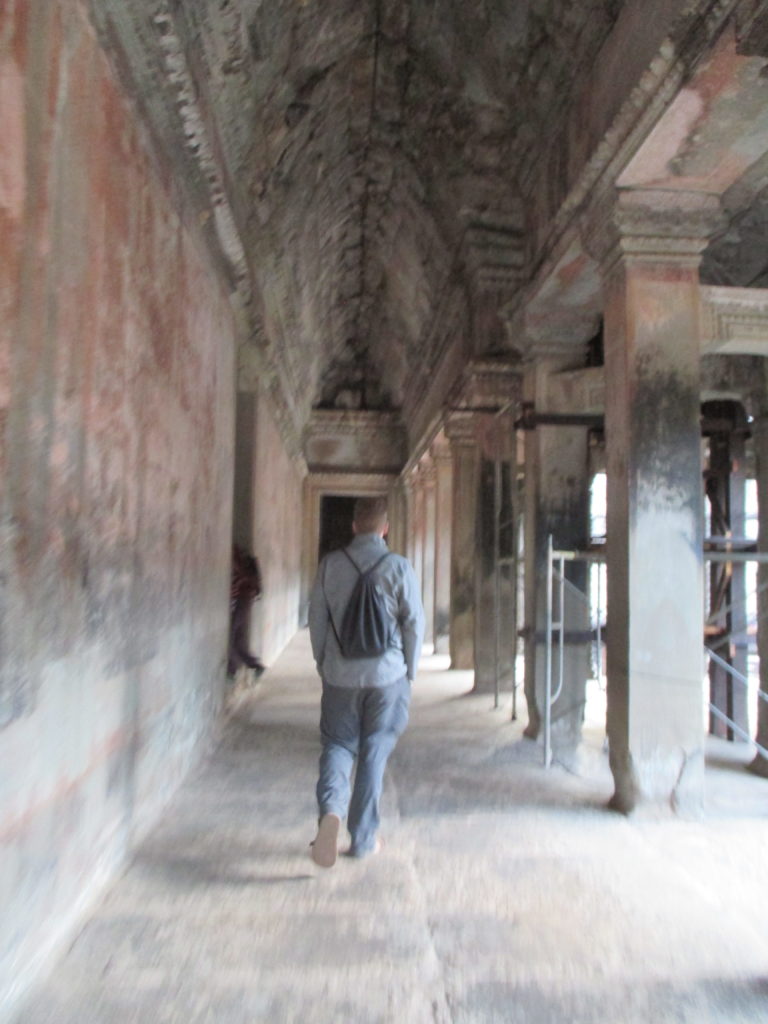
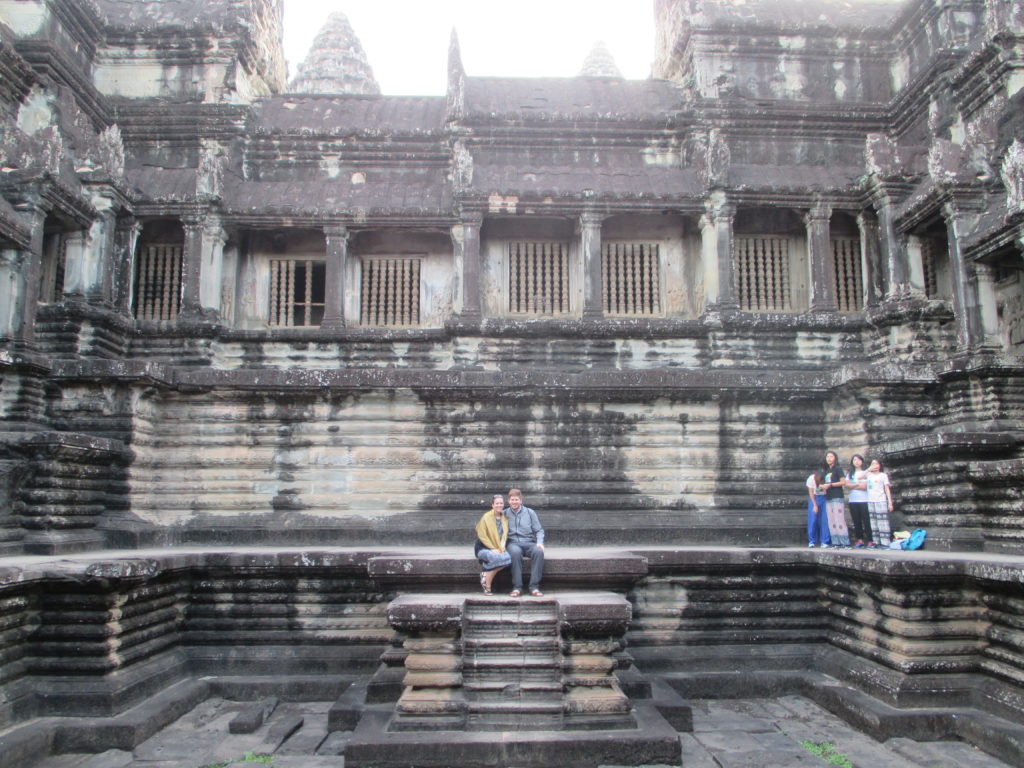
This temple was built in three layers – the first section is about history and contains visual accounts of historic and/or mythic events. This section is also available to the “common people.” The second story is dedicated to meditation, with it’s long hallways and echo chambers wherein you can hear a thump on your chest echo back. This section was reserved for the kings’ inner circles. The third story, reserved for only the king, was dedicated to prayer.
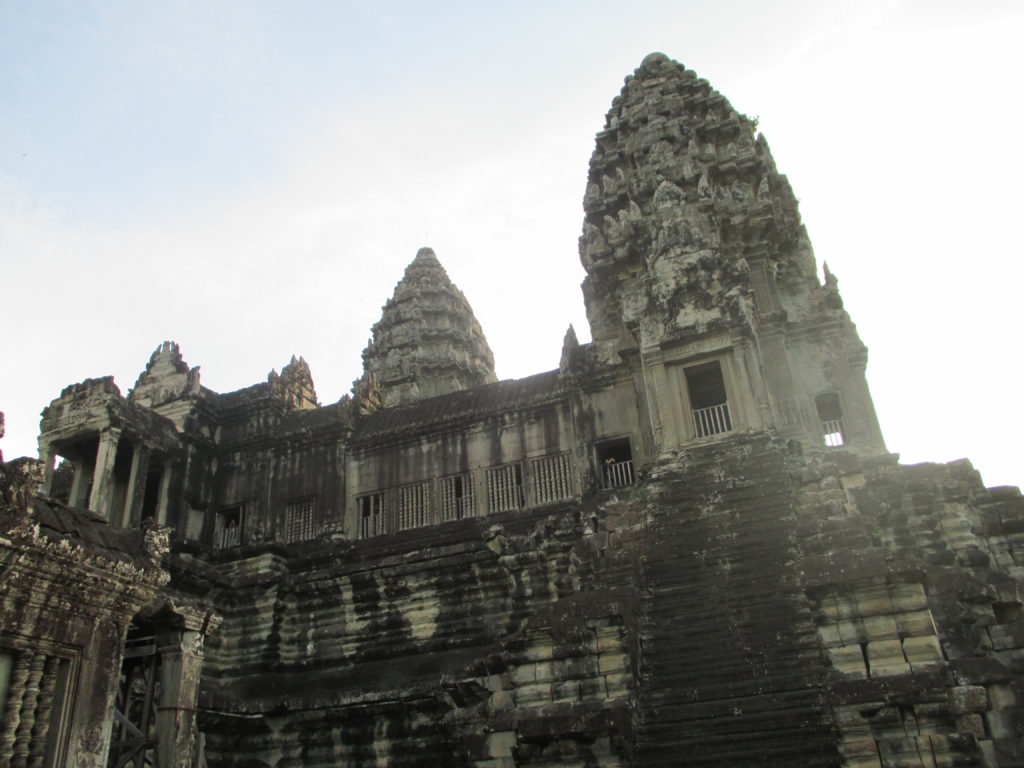
Looking up at the third story of Angkor Wat
Following many years of peace, the country erupted into a civil war once religions changed hands one-too-many times. Following this civil war was the invasion of the 57 Cambodian provinces by their neighbors Vietnam and Thailand, reducing the provinces in number to 24. At this point the king moved the capitol from here at Angkor Wat (it should be noted, this temple is just that – a temple. The king’s palace was about 2KM away) to Phnom Penh which was more accessible to the water and other resources. The temple of Angkor Wat and its surrounding temples were forgotten and lost to time for over 100 years. While Cambodia was under French rule, a Frenchman rediscovered this crumbling area. During the reign of the Khmer Rouge, many of the statues of Buddha and the Hindu gods were destroyed as they didn’t want people worshiping. Markings of this could be seen in not only the fragmented stone statues, but also in blue paint slathered here and there around the temple. Angkor Wat was designated a UNESCO world heritage site 25 years ago and is now seeing restoration work sponsored by governments around the world.
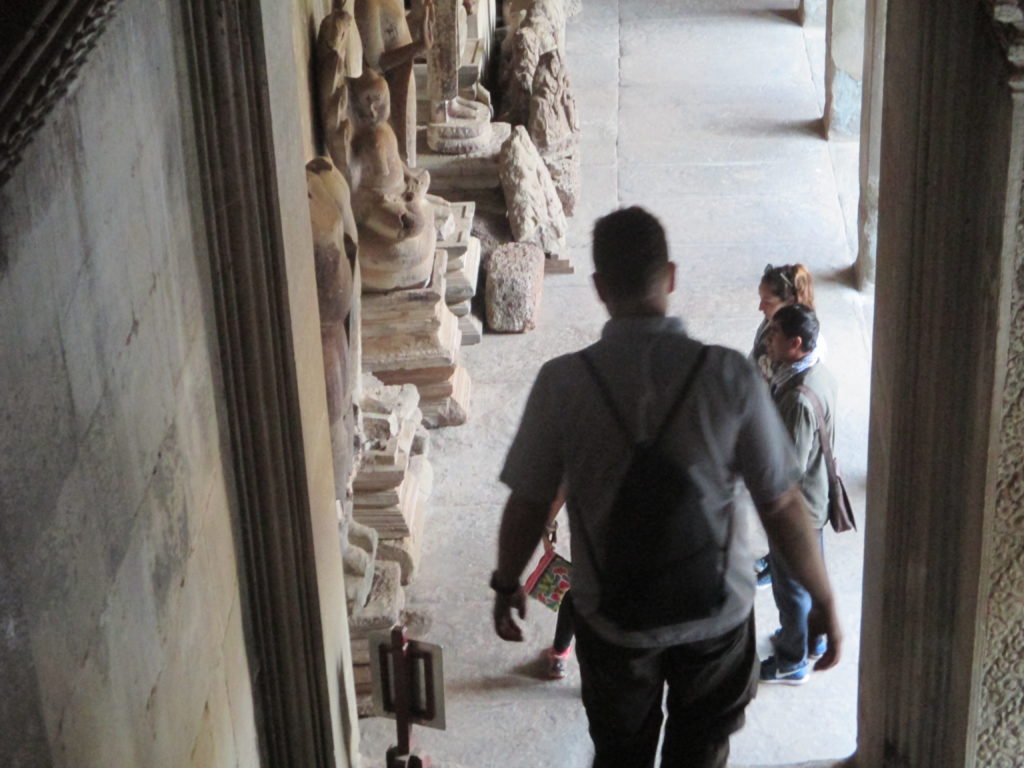
Ray entering the “1000 Buddha Gallery” where they placed all of the recovered statues after the Khmer Rouge destroyed them
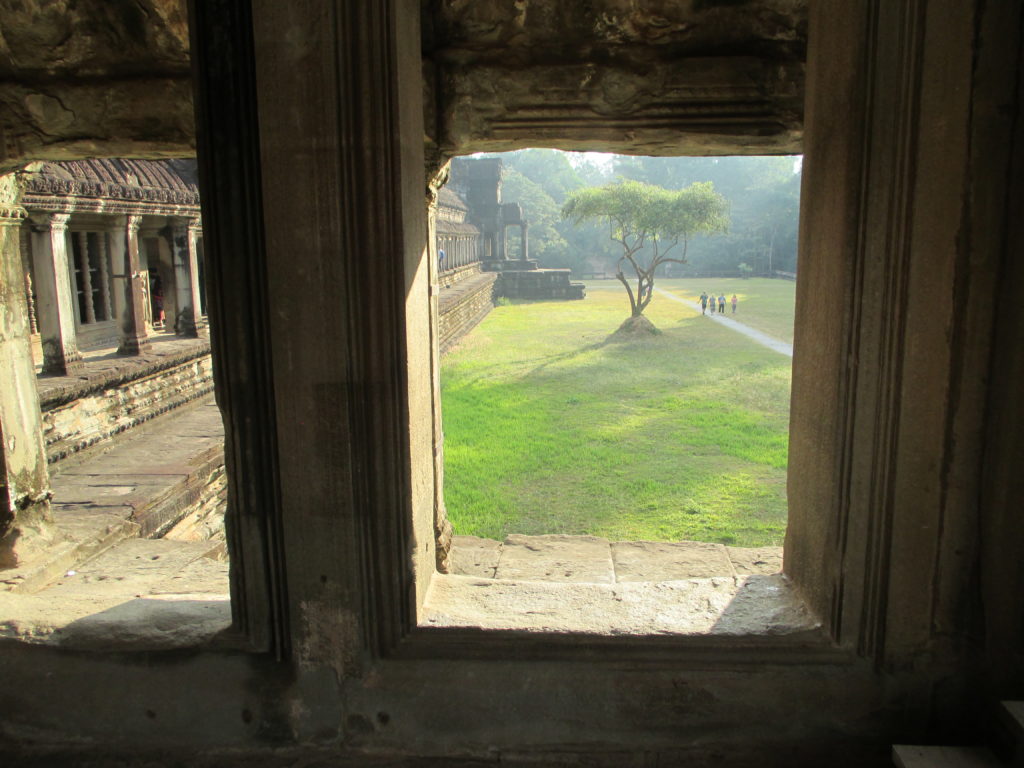
The single-most impressive element of Angkor Wat, for me, was the mind-boggling amount of intricate carvings. Carvings on every window spindle, walls upon walls of carved stories, carvings on the stairs, carvings on the roof – much of the ceiling has suffered weather damage over the years, but I imagine there were carvings there, too. Angkor Wat was built of lava stone topped with the more carve-able sandstone – both of which were either floated down the river by raft or pulled by elephants.
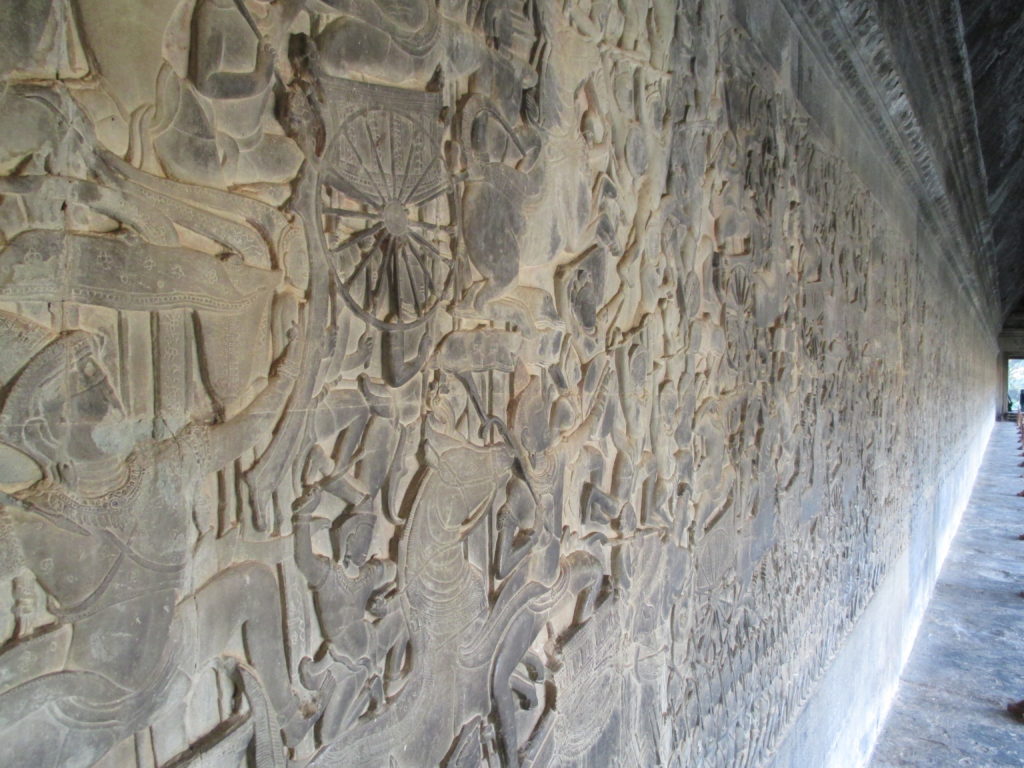
The entire wall is carved with stories from history.
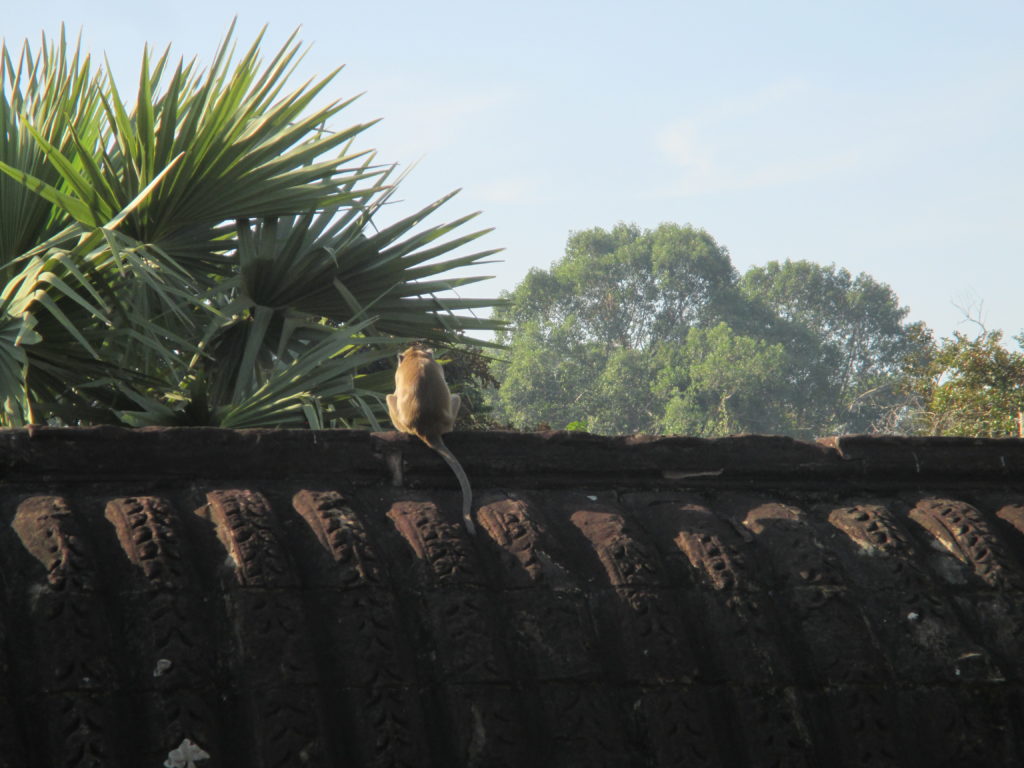
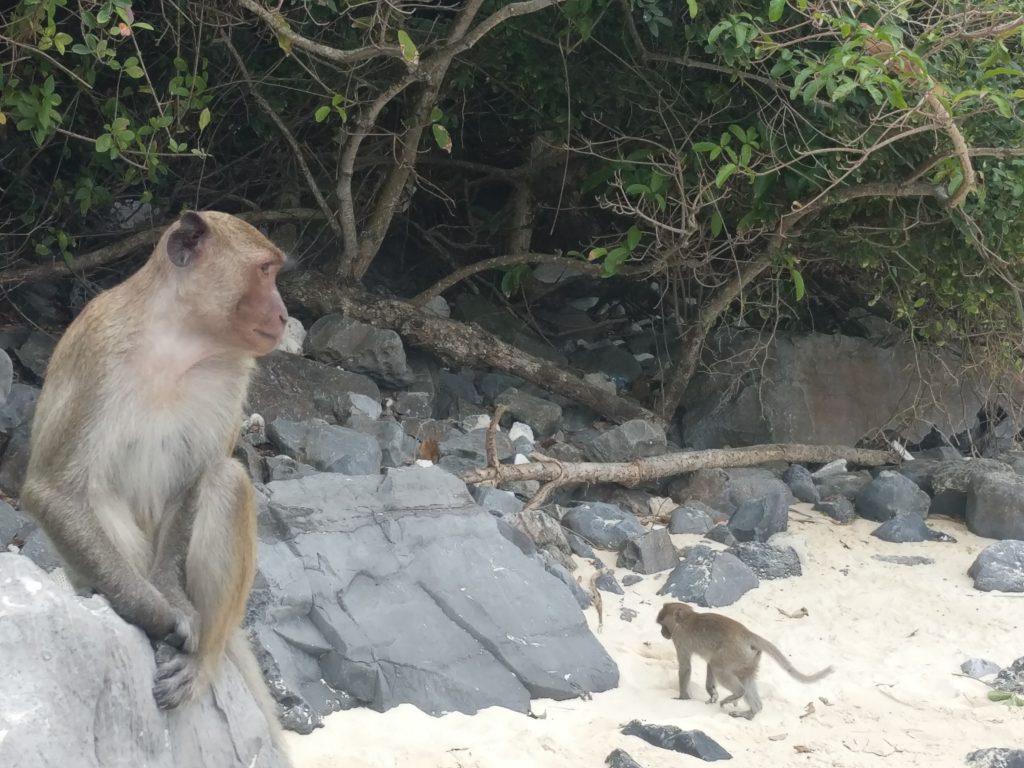
A monkey just hanging out on top of one of the rooves
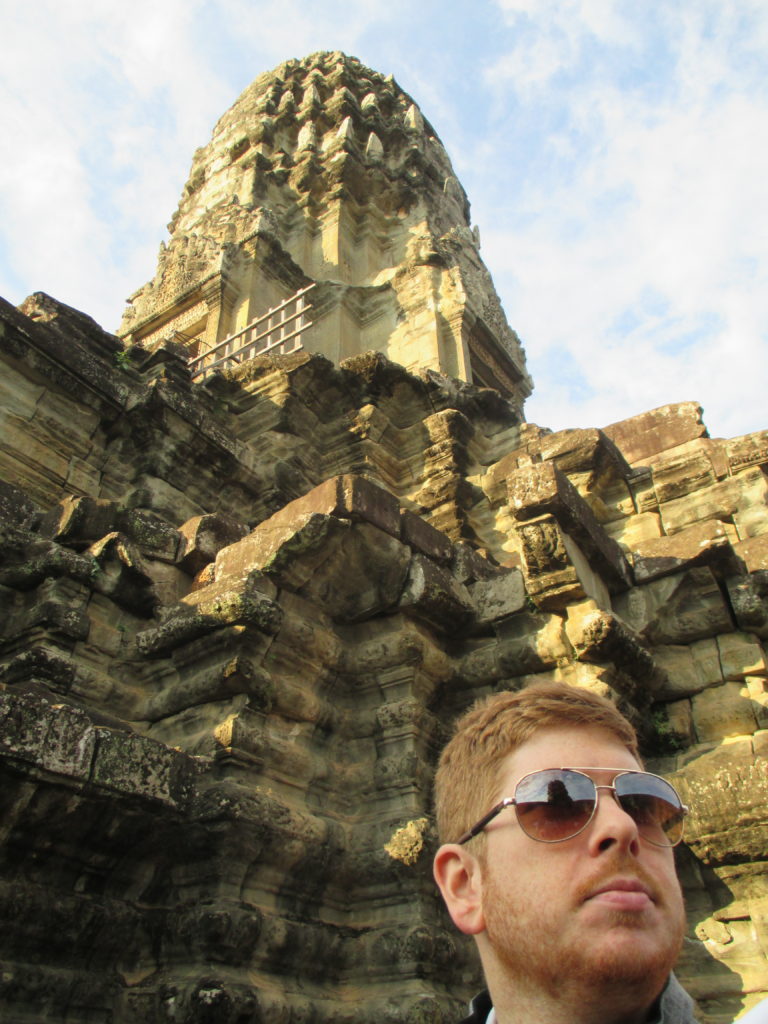
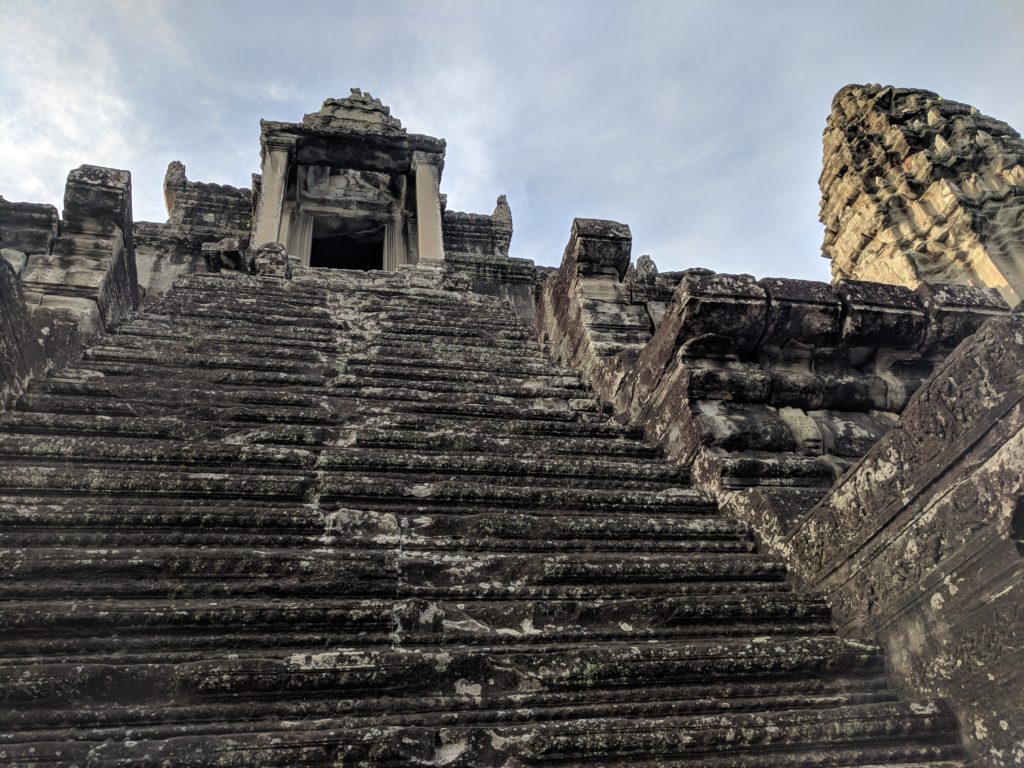
Steeeeep steps to the top
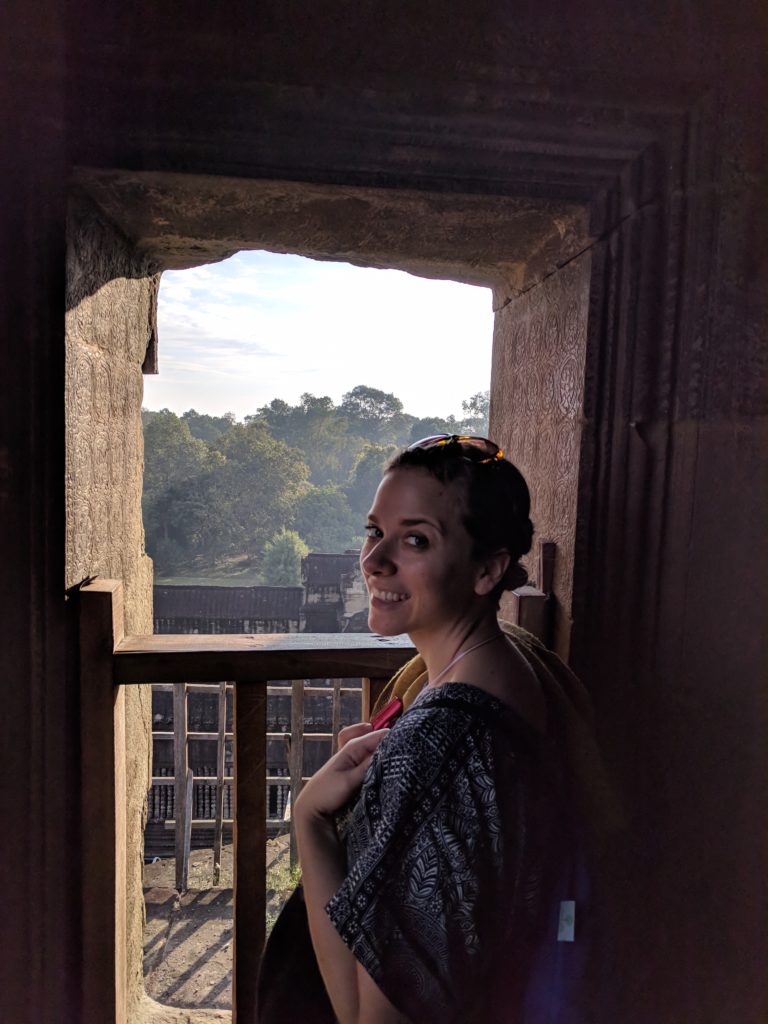
Following our visit to Angkor Wat, we headed back to our Tuk Tuk, noticing in the light all of the elements we missed in the dark. Blake drove us to Phnom Bakheng, a temple dedicated to Shiva at the top of a really lovely hike featuring unique-web-building spiders and garden lizards.
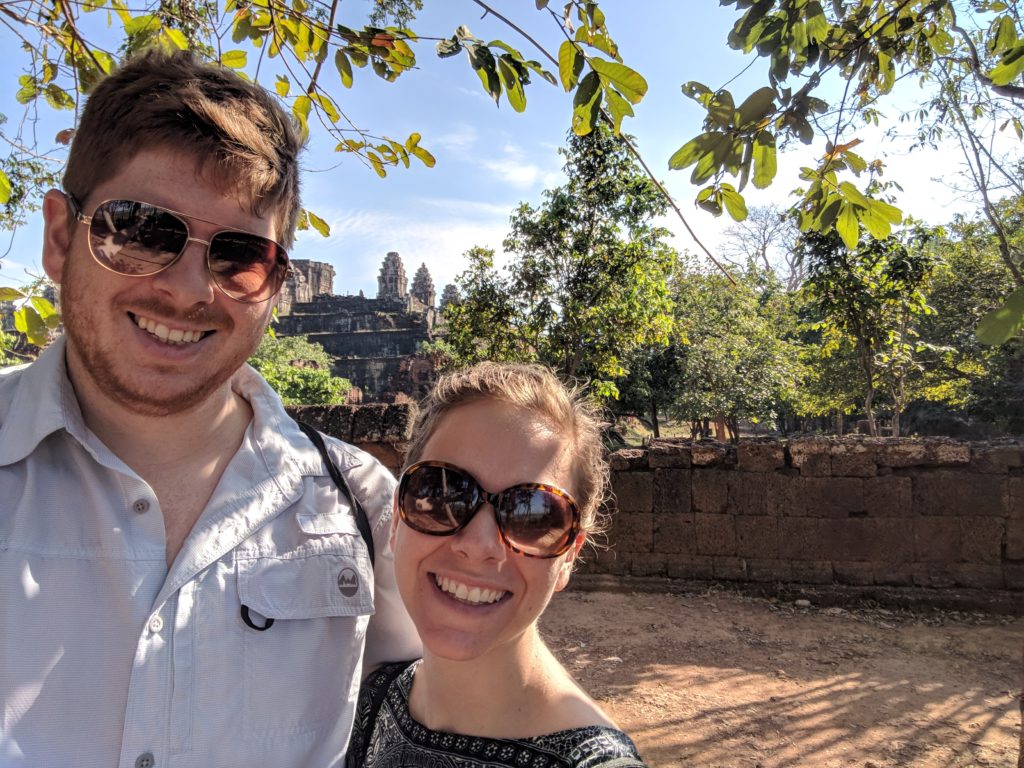
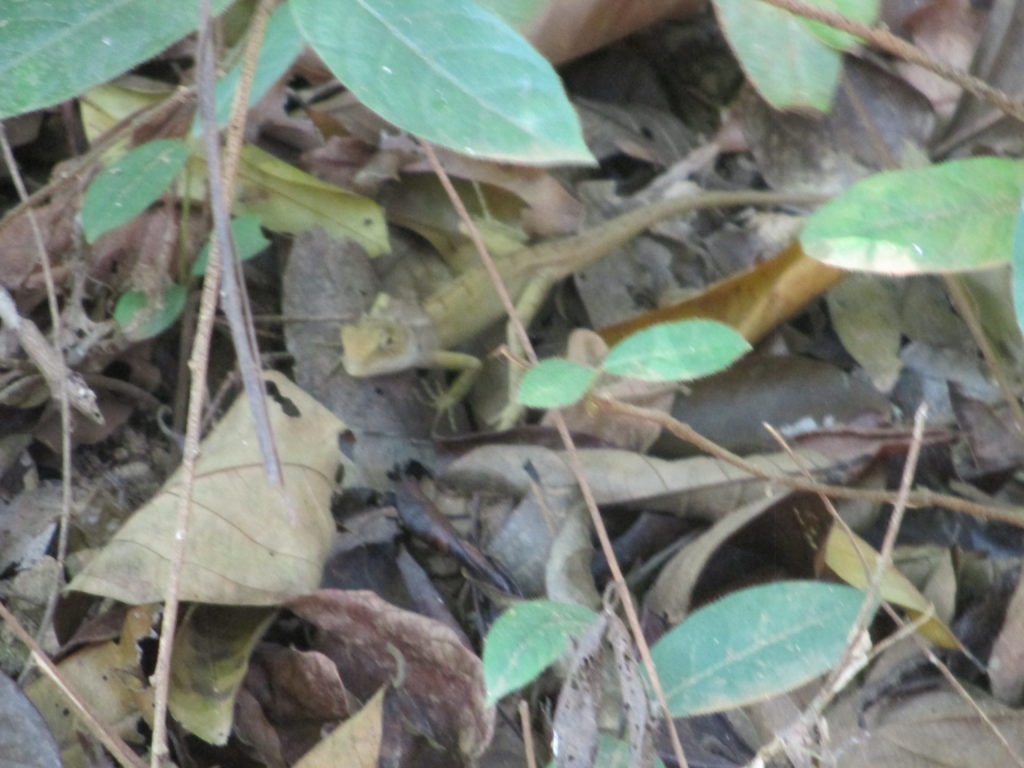
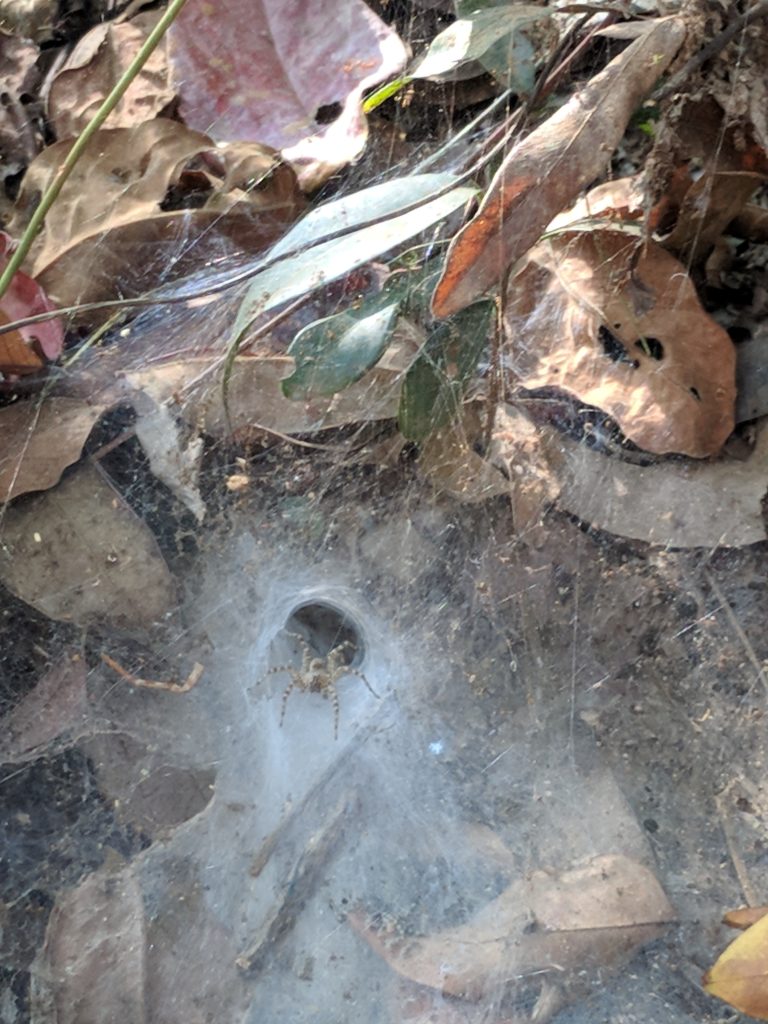
Blake asked if we’d like to get some food before our next stop and we agreed. He drove us to a nearby place and we ordered some food and fruit shakes and asked him to join us which he did. We made small talk, he asked where we were going after this – Vietnam – and he told us he grew up in a rural area on the border of Vietnam. We asked if he’d ever been there and he informed us that no, in Cambodia people have to work. Just work, so they can support their families. We asked about his siblings – he has four and lives with one in Siem Reap. We asked how he learned English and he told us they teach it in school, and that his boys are also learning English – and Korean as an elective – in school. How old are your boys? 9 and 5. What do they want to be when they grow up? The older one wants to be an architect. The younger one a teacher. Have you ever brought the architect here, to Angkor Wat? No, they live at home with their mother. 400 kilometers away.
It was clear that we were from starkly different worlds. That the amount we spent on our plane ticket to our next destination alone was equivalent what he would make in a week – on a good week. That our vacation, comparatively, was sickeningly extravagant. The privilege with which we have been blindly walking, simply because of where we happened to be born was obvious.
We asked how it worked when we paid the company in Phnom Penh to secure him as our driver – how did he get paid? I don’t get paid for that trip, he said. It is a way to get in front of tourists – to get them to hire me for the day while they’re at Angkor Wat.
Do you get sick of tourists?
Yes.
We finished our lunch and Blake brought us to Bayon, a temple within the “city” of Angkor Thom. Surrounded by beautiful, giant Khmer faces, the faces of Cambodian gods – faces that looked very much like Blake’s – I couldn’t help but think of the irony. People from all over the world come to this spot to revere the genius, ingenuity and scale of the ancient Khmer, while being carted around, waited on, and served by the modern Cambodian people in exchange for pocket change.
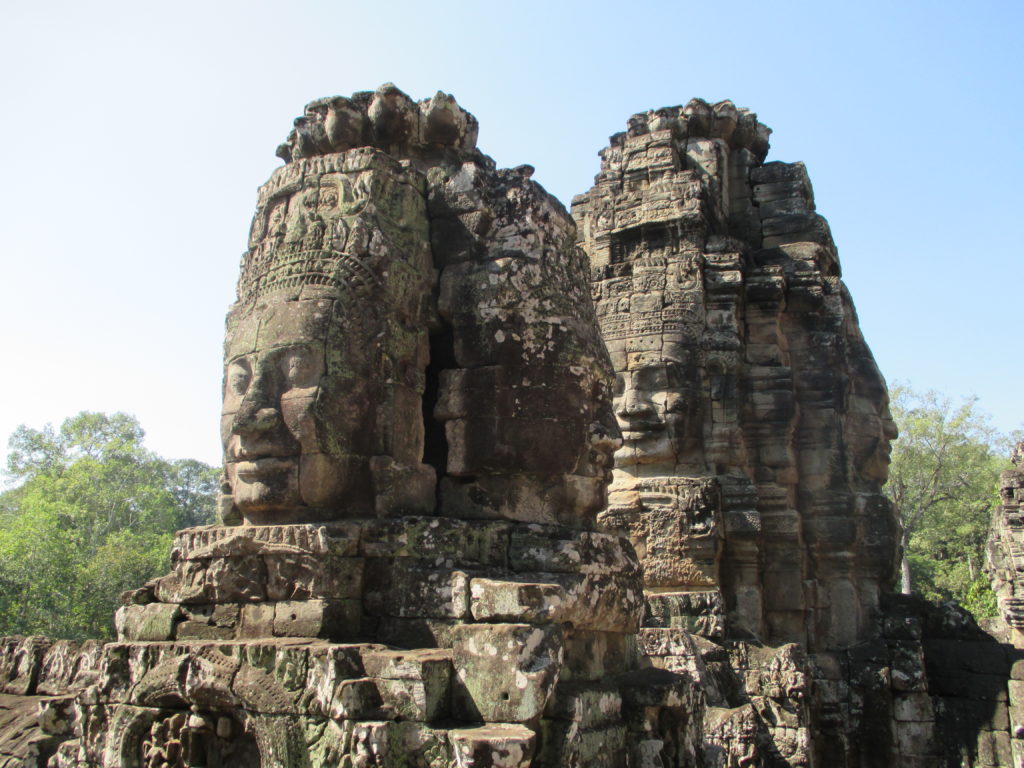
Following Blake’s instruction, we made our way to the former royal palace ruins, and other sites around Angkor Thom. He then took us to our last stop of the day, Ta Prohm. After grabbing drink from a fresh coconut, we made our way in.
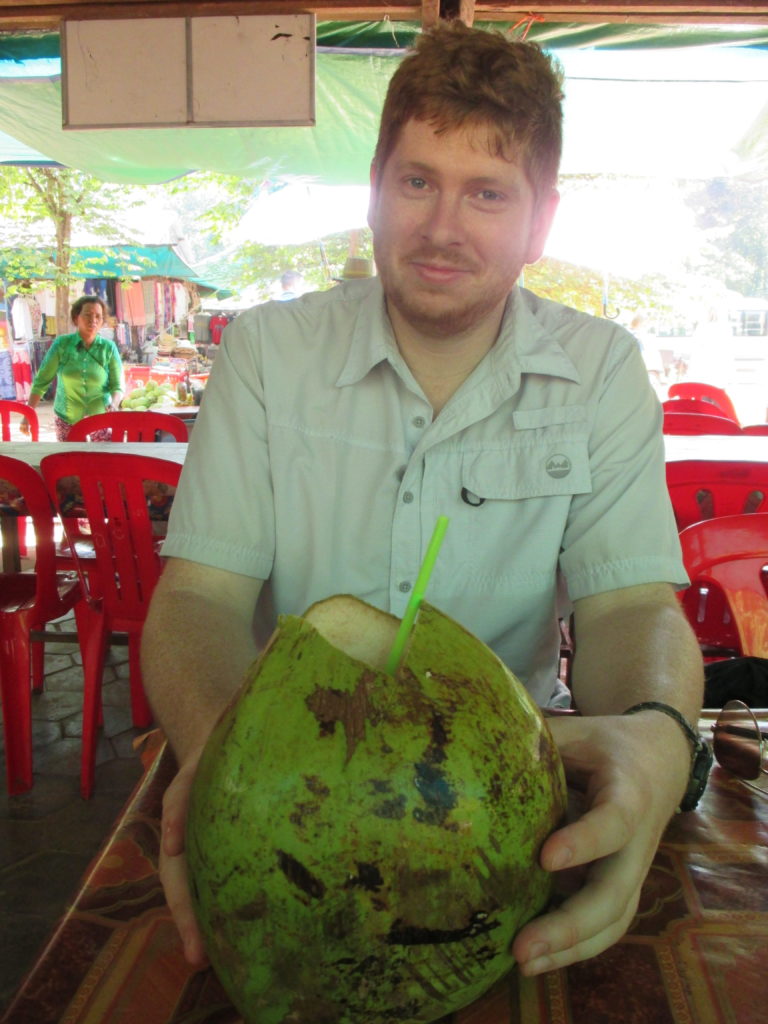
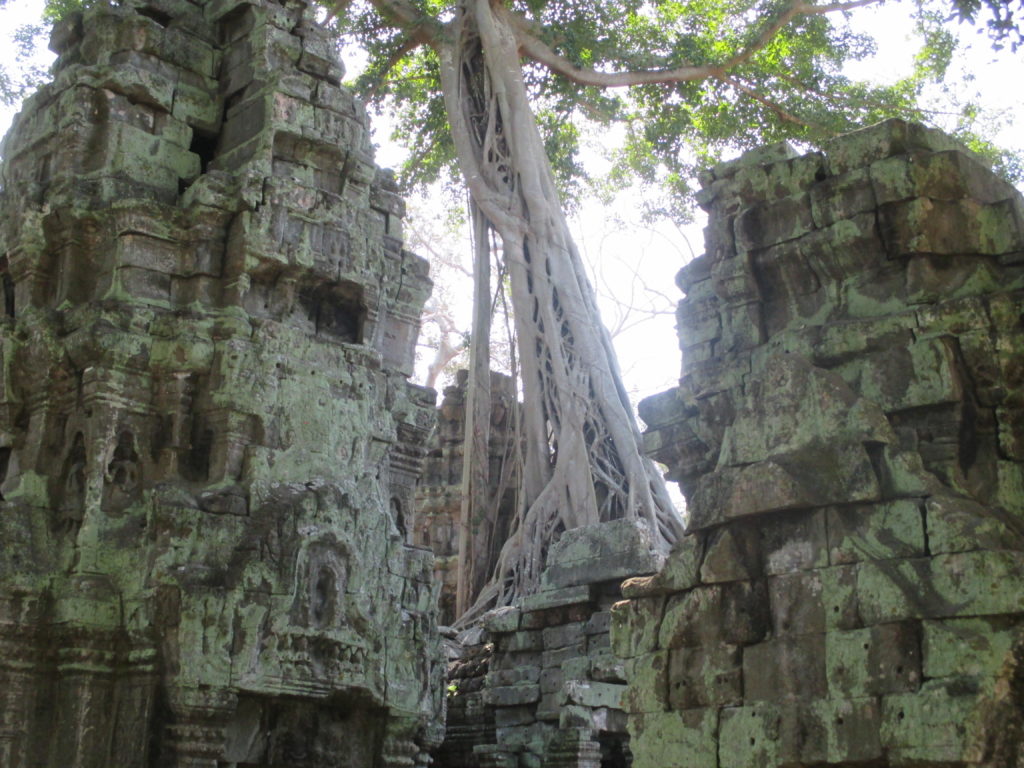
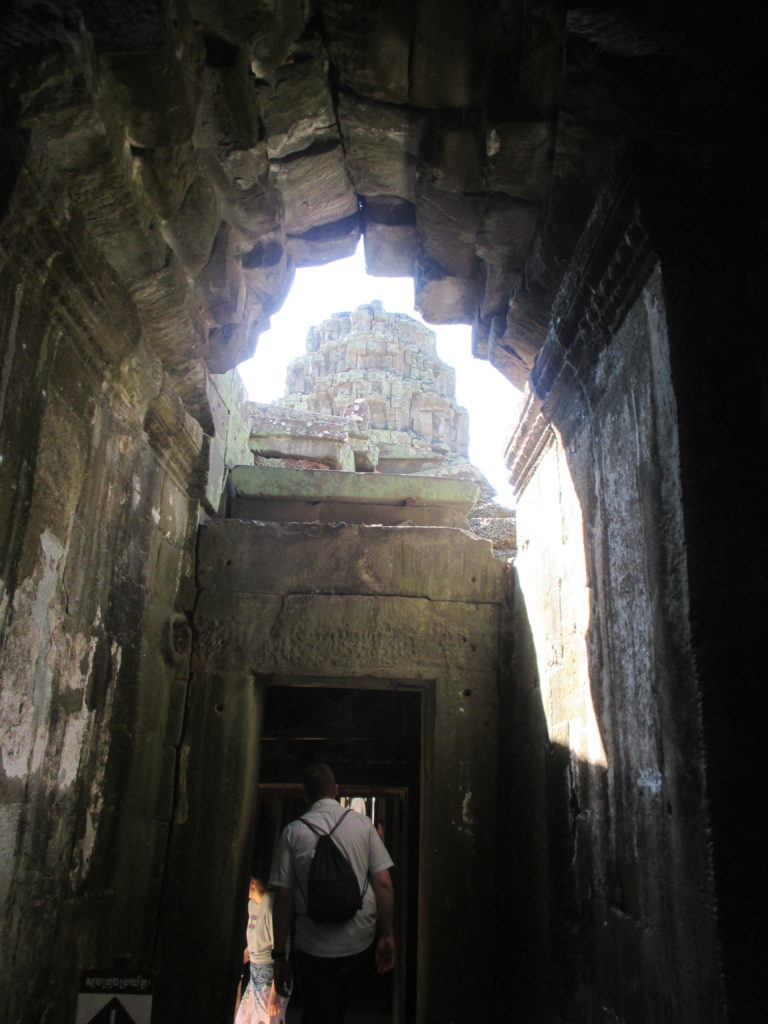
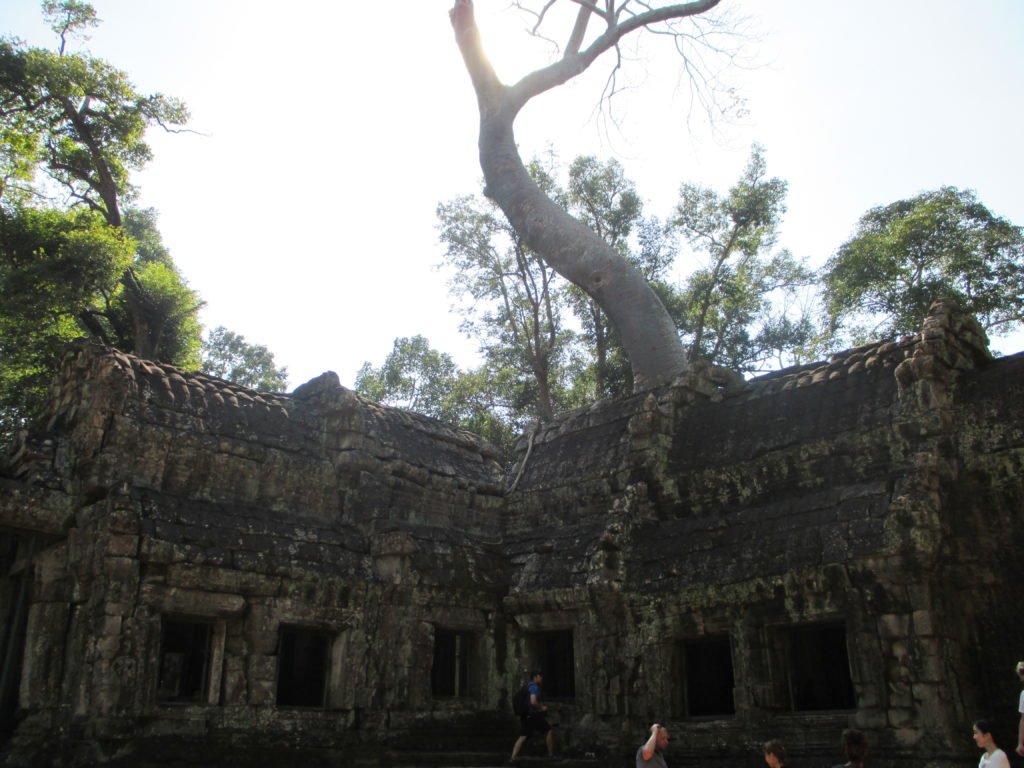
Ta Prohm was the temple I was most excited to see. Unlike the others, Ta Prohm was left as it was found by the French in the 16th century. Overgrown by giant trees, crumbling, this temple – despite the hoards of tourists – felt magical.
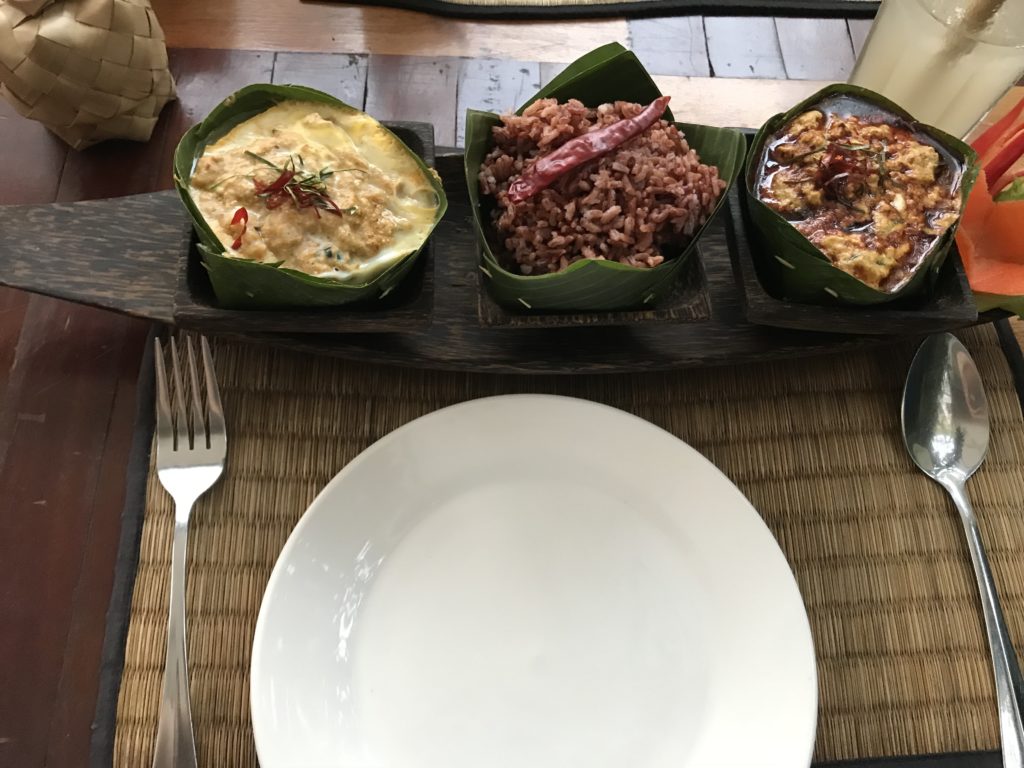
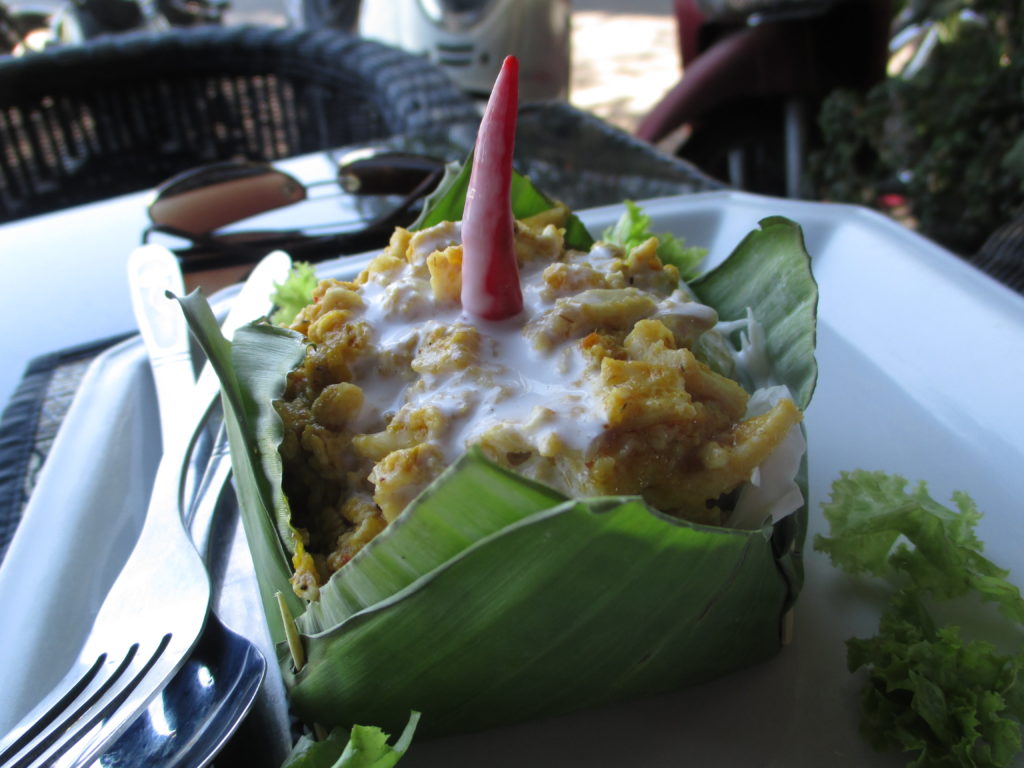
Blake took us back to our hostel where we rested and finalized our plans for tomorrow. We then took a very pleasant walk to New Leaf Cafe and ate a scrumptious dinner of Lok Lak Beef and Amok (I had to get some more before we left!) with Khmer-style iced coffee and Lemongrass iced tea. New Leaf supports local youth organizations with 30% of their profits, with 20% going to their Cambodian staff. Unfortunately, we overheard that they were closing soon, but were happy to see that, despite this, they were very busy while we were there.
On our walk home we both reflected on how in love with this place we are. The people we have met in Cambodia have been some of the kindest, funniest, most welcoming and down-to-earth people we have ever met. They have been through an absurd amount of suffering at the hands of those in power (including the tourism industry). I hope, moving forward, to find ways that I can help address some of the persistent root causes of the ongoing poverty and exploitation that continues to hurt the citizens of this beautiful place.
We love you, Cambodia!
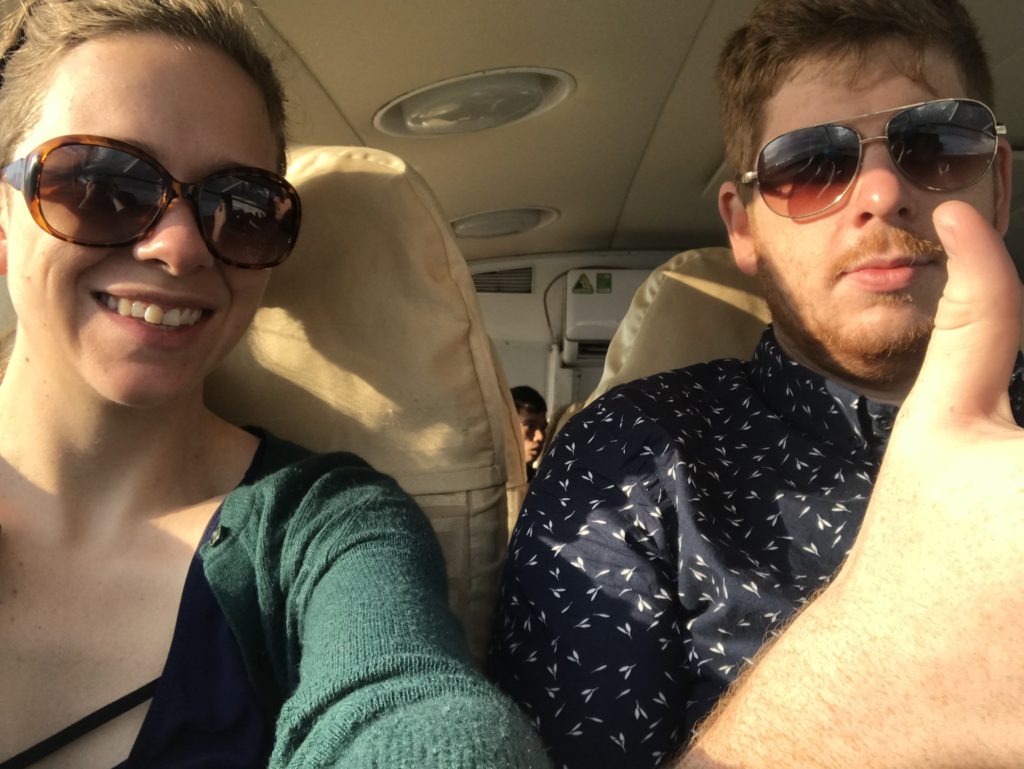
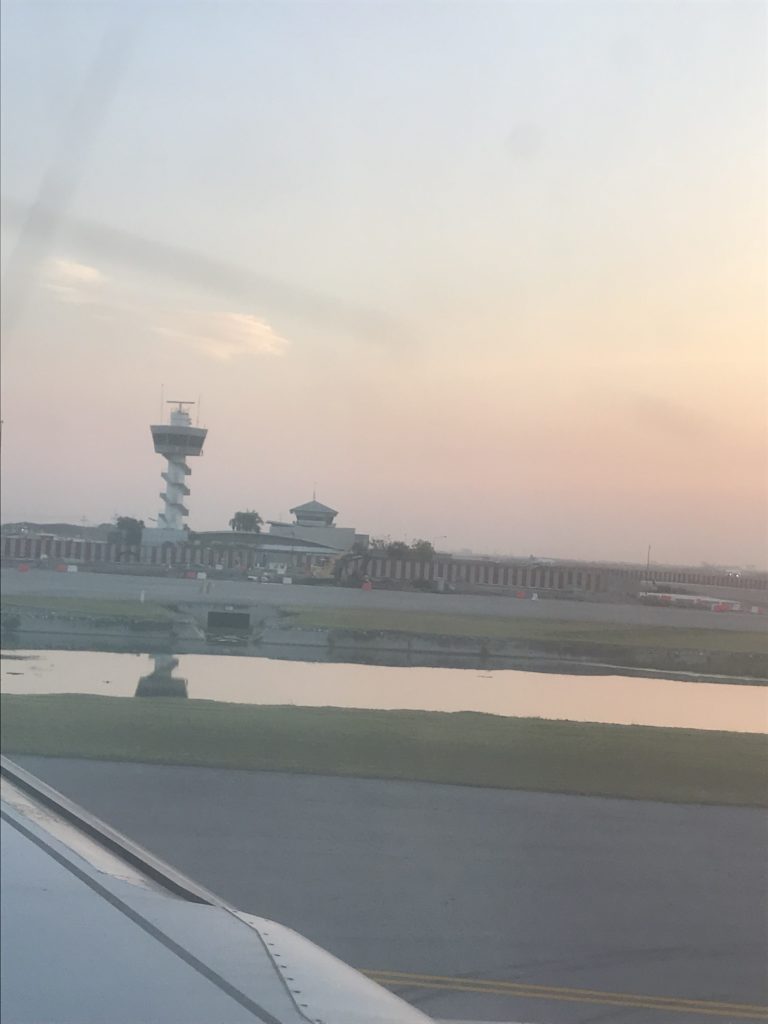
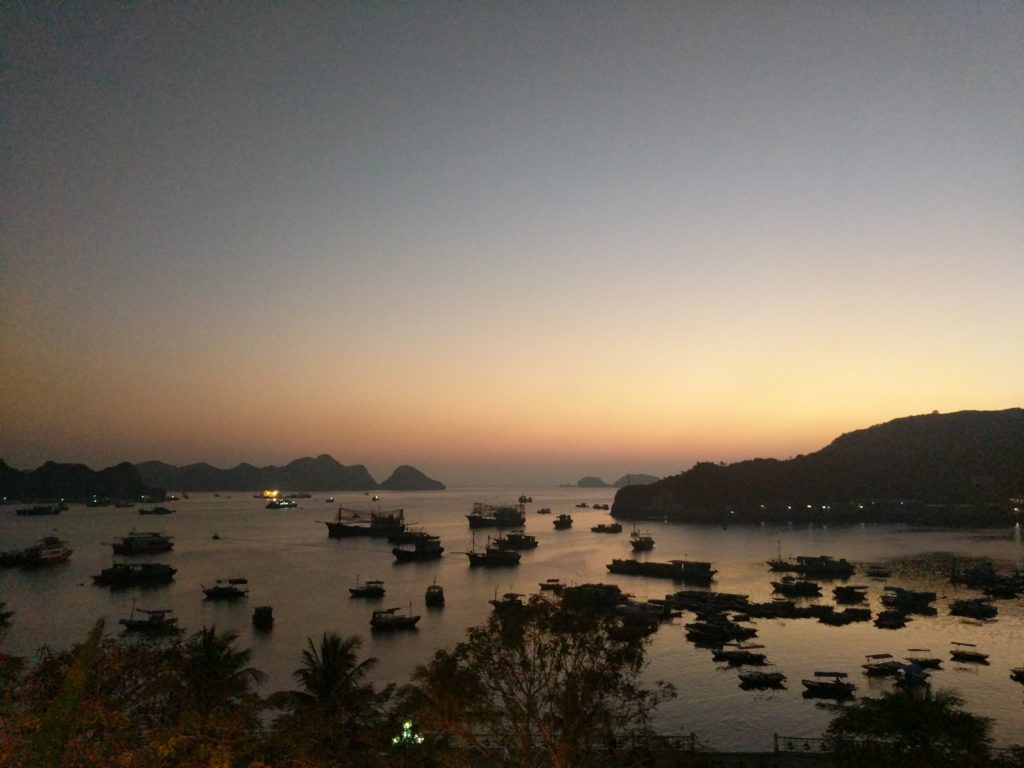
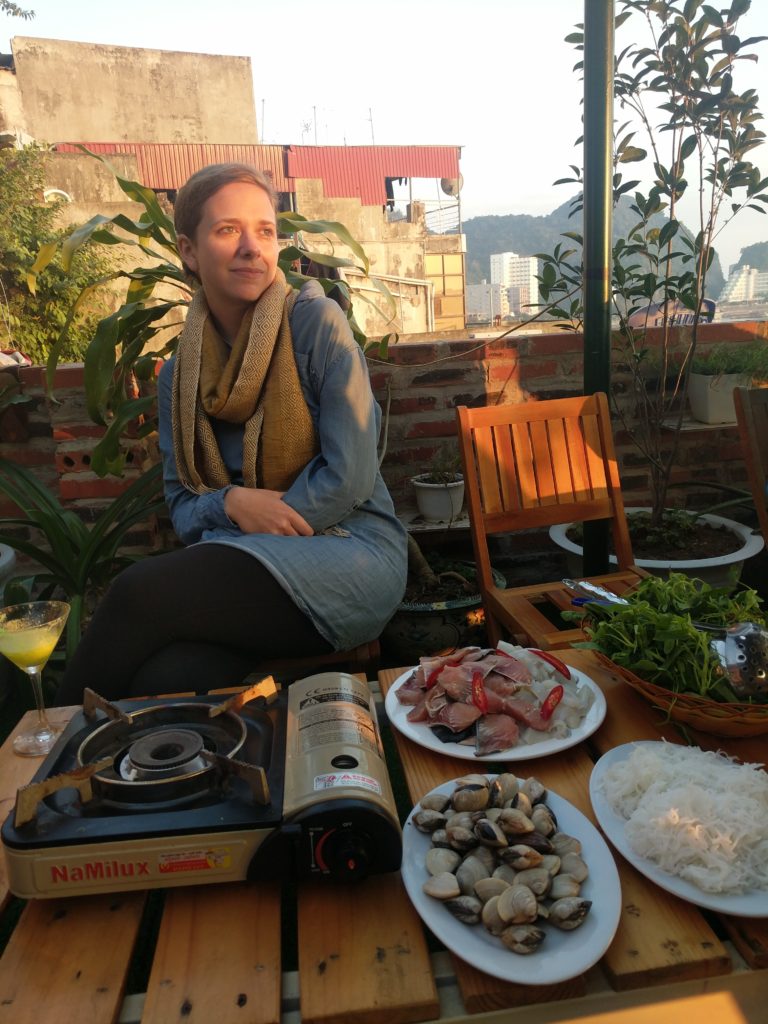
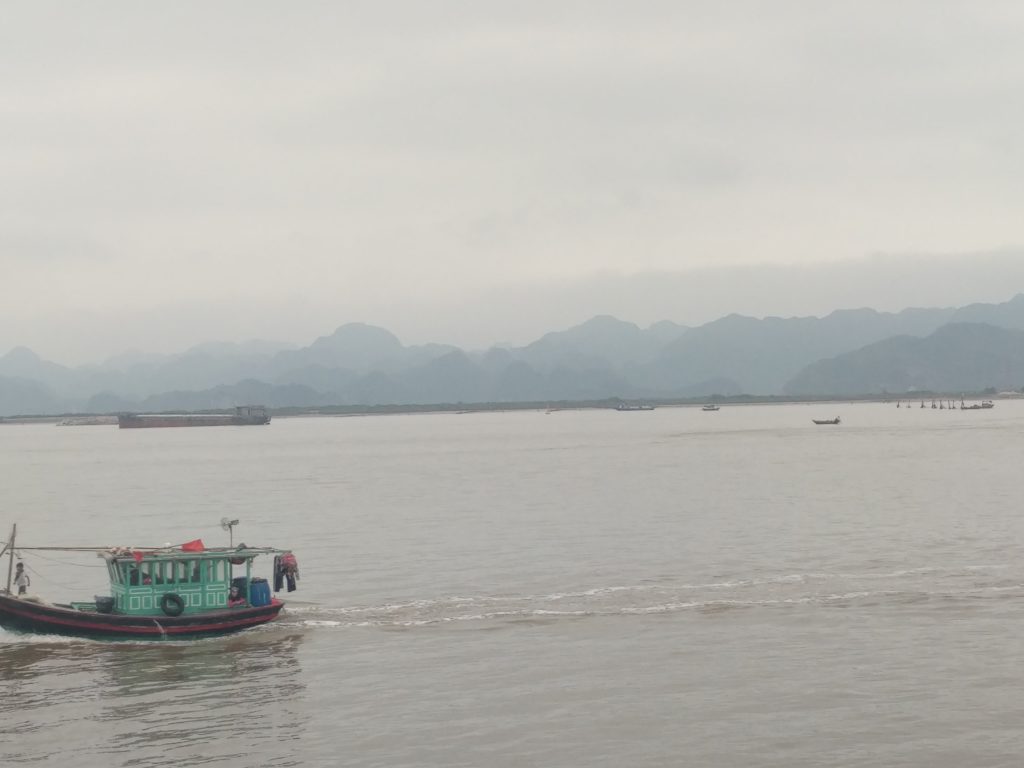
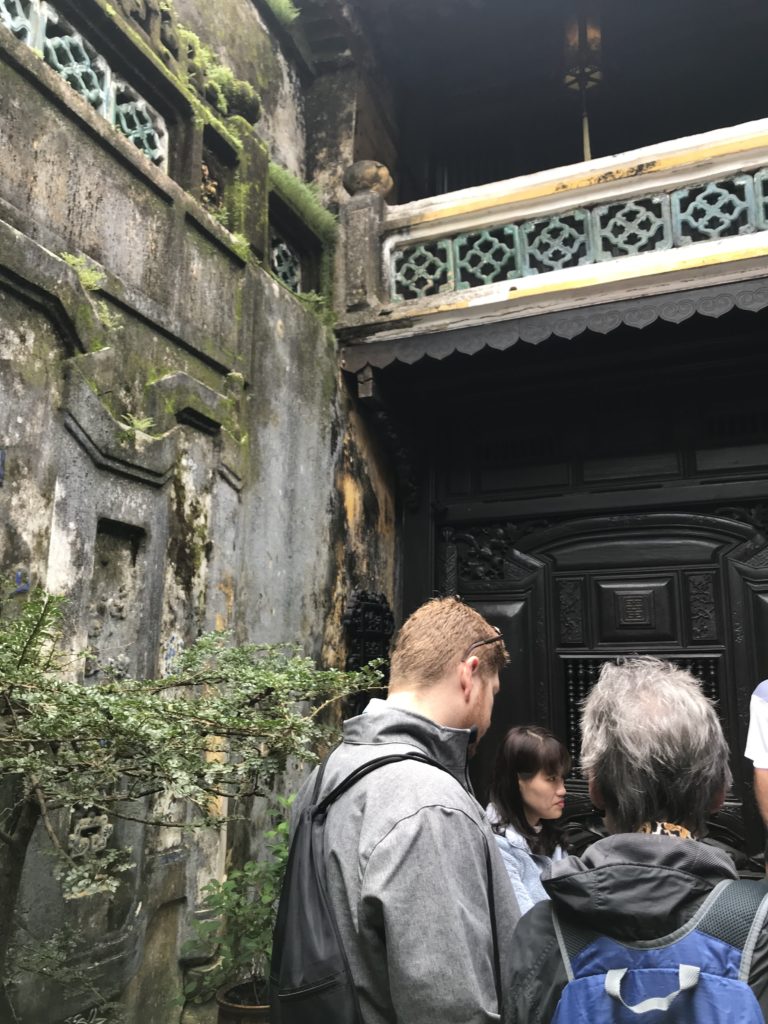
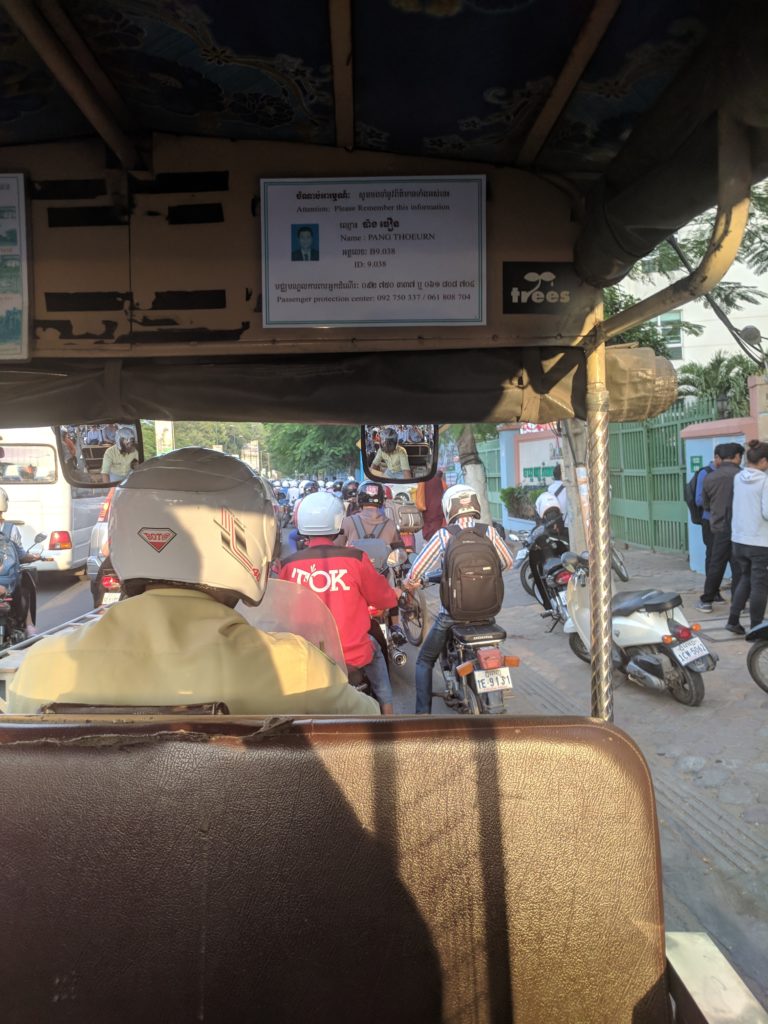
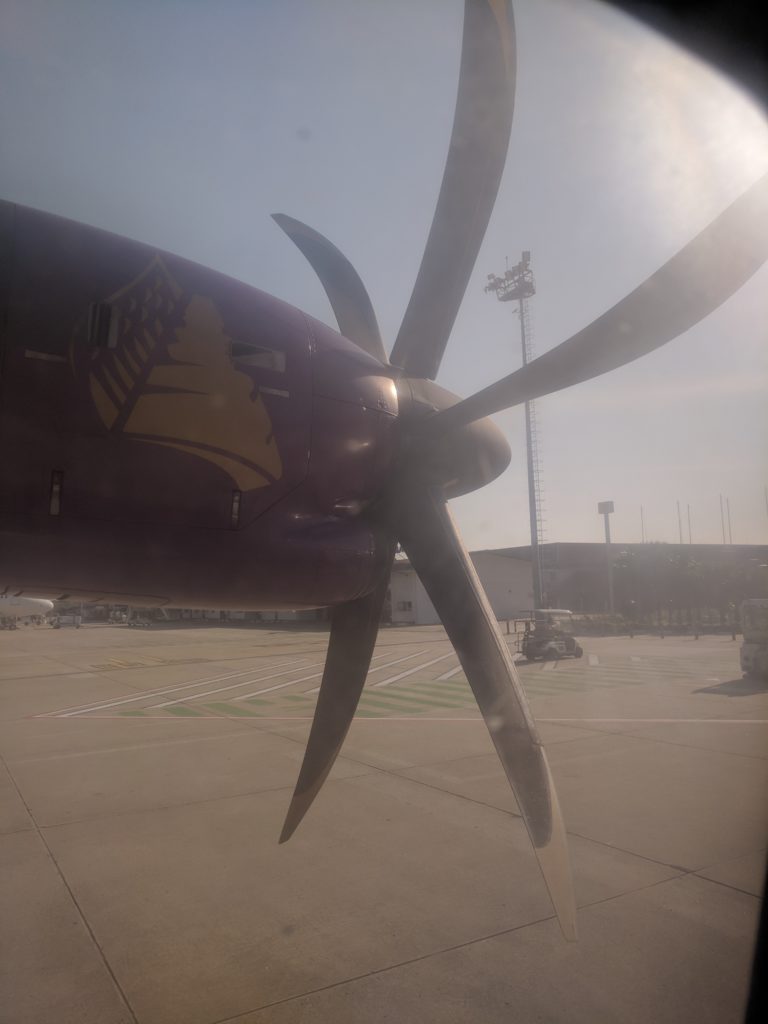 On arrival in Da Nang, we got our final visa for the trip, again without issue. We waited maybe fifteen minutes to get our visa, and another hour to make it through the “Foreigners” line. From airport, we withdrew bus money, and hopped a bus to a stop in Hoi An, where we both hopped on a xe om (a taxi service— essentially, the back of somebody’s motorcycle) to take us to our hotel.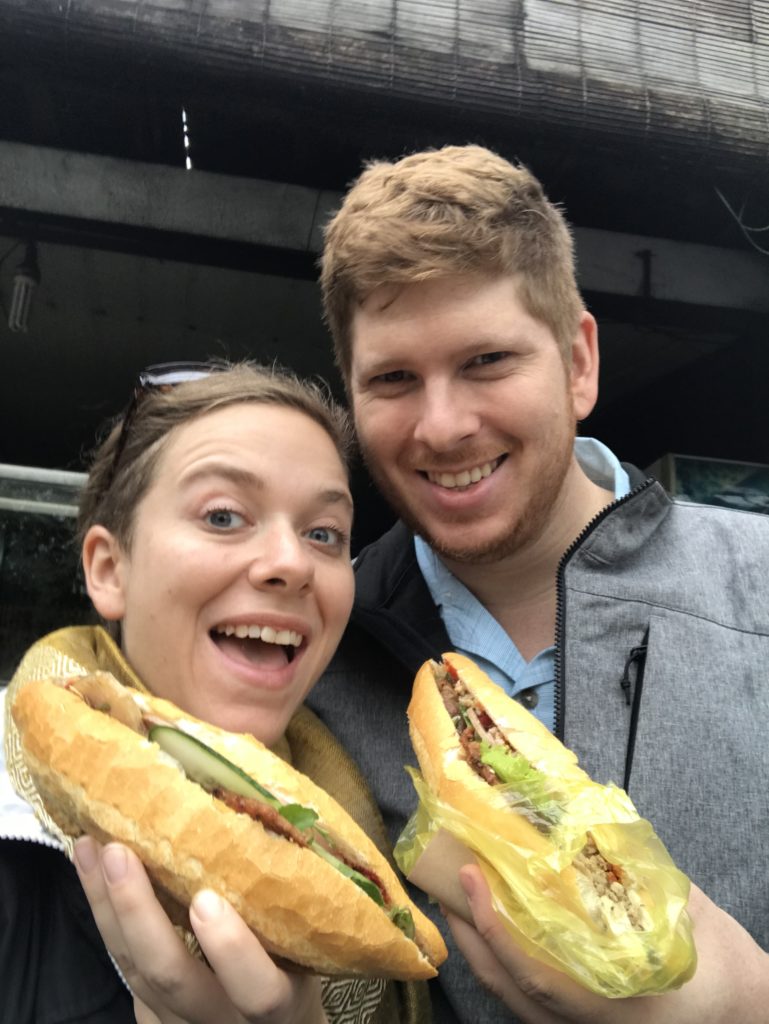
 But instead of doing all of that, we fell asleep.
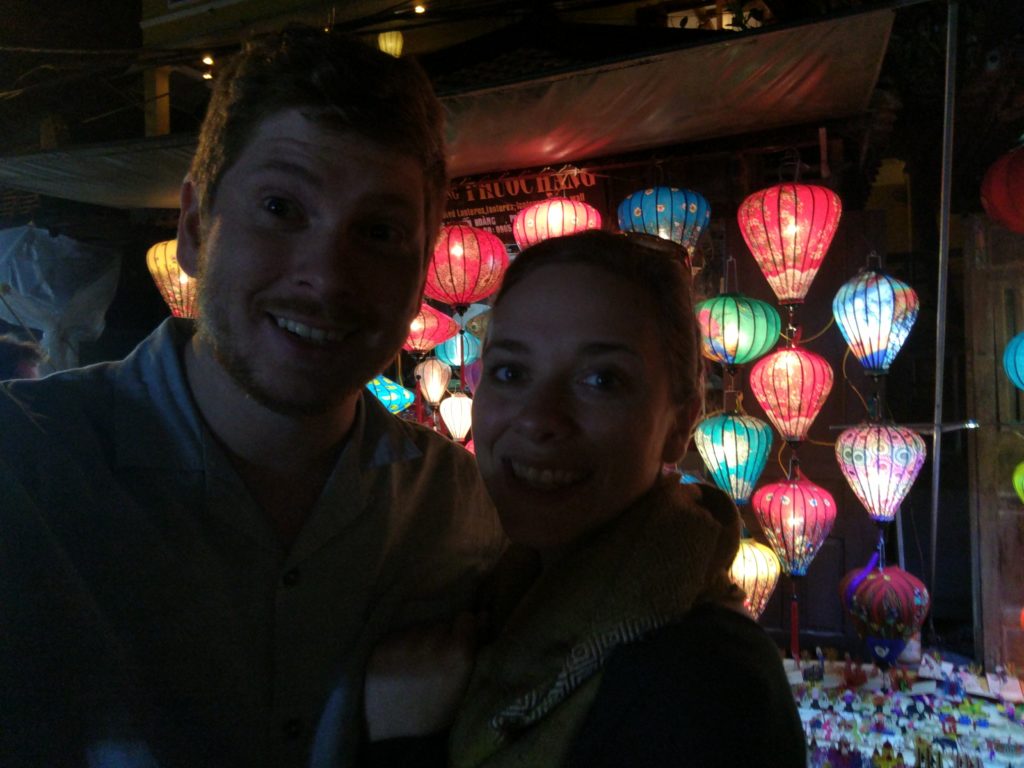
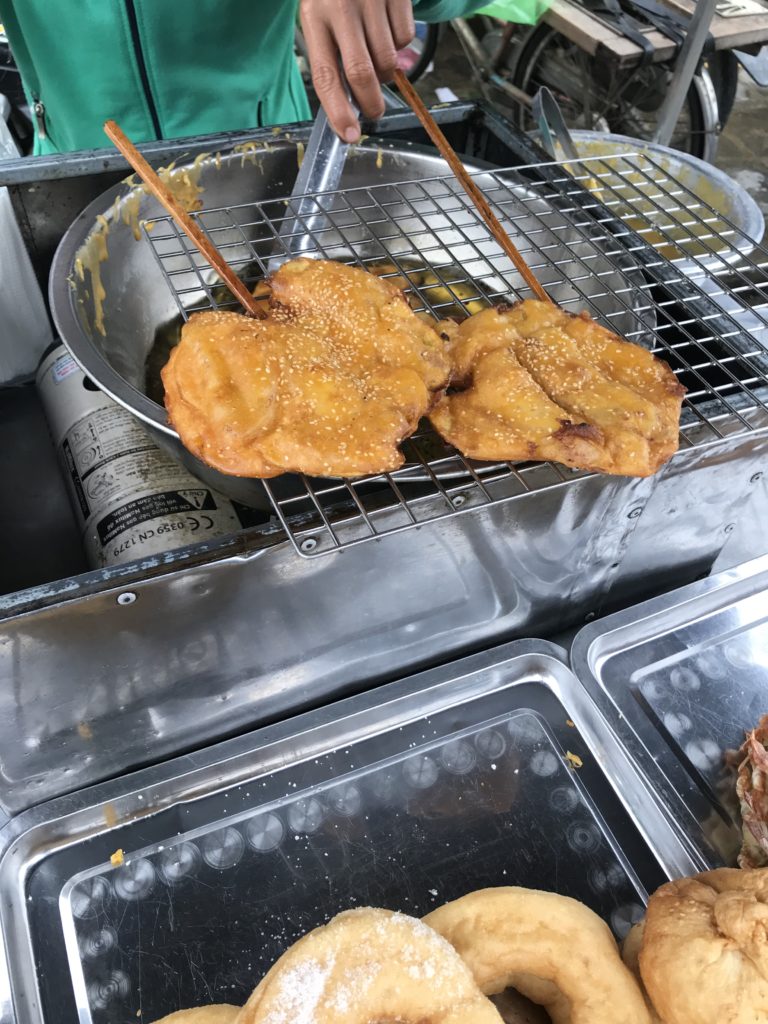
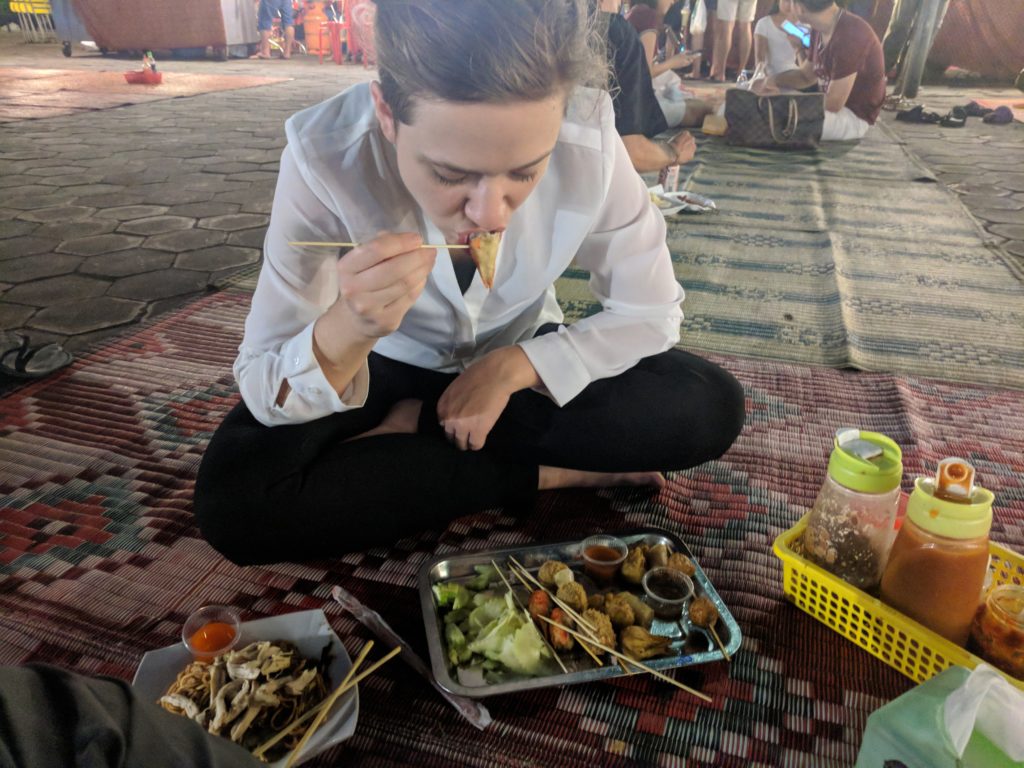 Which brings us to tonight, where we finally have a bed to fall asleep in. We spent an hour or so at the nearby night market, browsing goods and eating tasty food stuffs. After dinner, we wandered home, showered, and are about to get a full night sleep in preparation for tomorrow.